
In the pursuit of energy efficiency, modern buildings have become increasingly airtight, creating an unintended consequence: rising damp and condensation problems. While improved insulation and sealing have reduced heating costs, they've also trapped moisture inside our homes and commercial properties, leading to a host of issues that affect both building integrity and occupant health.
The Modern Building Dilemma: Energy Efficiency vs Indoor Air Quality
Today's construction standards prioritise thermal performance, with regulations demanding higher levels of insulation and air tightness. While this approach successfully reduces energy consumption and carbon emissions, it creates an environment where moisture generated through everyday activities, cooking, bathing, breathing, has nowhere to escape.
Understanding Condensation Formation
Condensation occurs when warm, moisture-laden air meets cold surfaces, causing water vapour to turn into liquid. In traditional buildings with natural ventilation, this moisture would typically dissipate through draughts and air leaks. Modern airtight properties, however, retain this moisture, creating ideal conditions for condensation to form on windows, walls, and other cold surfaces.
Key moisture sources in typical households include:
- Cooking and boiling kettles: Produces significant water vapour
- Bathing and showering: Releases large amounts of moisture into the air
- Drying clothes indoors: Each load can release up to 2 litres of water
- Human respiration: Each person produces approximately 1 litre of moisture daily
- Houseplants and aquariums: Contribute to ambient humidity levels
Health Impacts of Damp and Mould
The consequences of persistent dampness extend far beyond cosmetic damage to building materials. The health implications can be severe, particularly for vulnerable individuals.
Respiratory Complications
Damp environments create ideal breeding grounds for mould spores, dust mites, and other allergens. Exposure to these contaminants can trigger or exacerbate:
- Asthma attacks in both children and adults
- Allergic reactions including sneezing, runny nose, and skin irritation
- Respiratory infections due to compromised immune function
- Chronic bronchitis and other long-term respiratory conditions
Vulnerable Populations
Certain groups face heightened risks from damp-related health issues:
- Children and infants with developing respiratory systems
- Elderly individuals with pre-existing health conditions
- People with compromised immune systems
- Those with existing respiratory conditions like asthma or COPD
Research from Public Health England indicates that children living in damp, mouldy homes are up to three times more likely to develop respiratory problems compared to those in dry environments.
The Science of Mechanical Ventilation
Mechanical ventilation systems provide a controlled solution to the moisture problems plaguing modern buildings. Unlike traditional ventilation methods that rely on unpredictable air movement, mechanical systems ensure consistent, adequate air exchange.
How Mechanical Ventilation Works
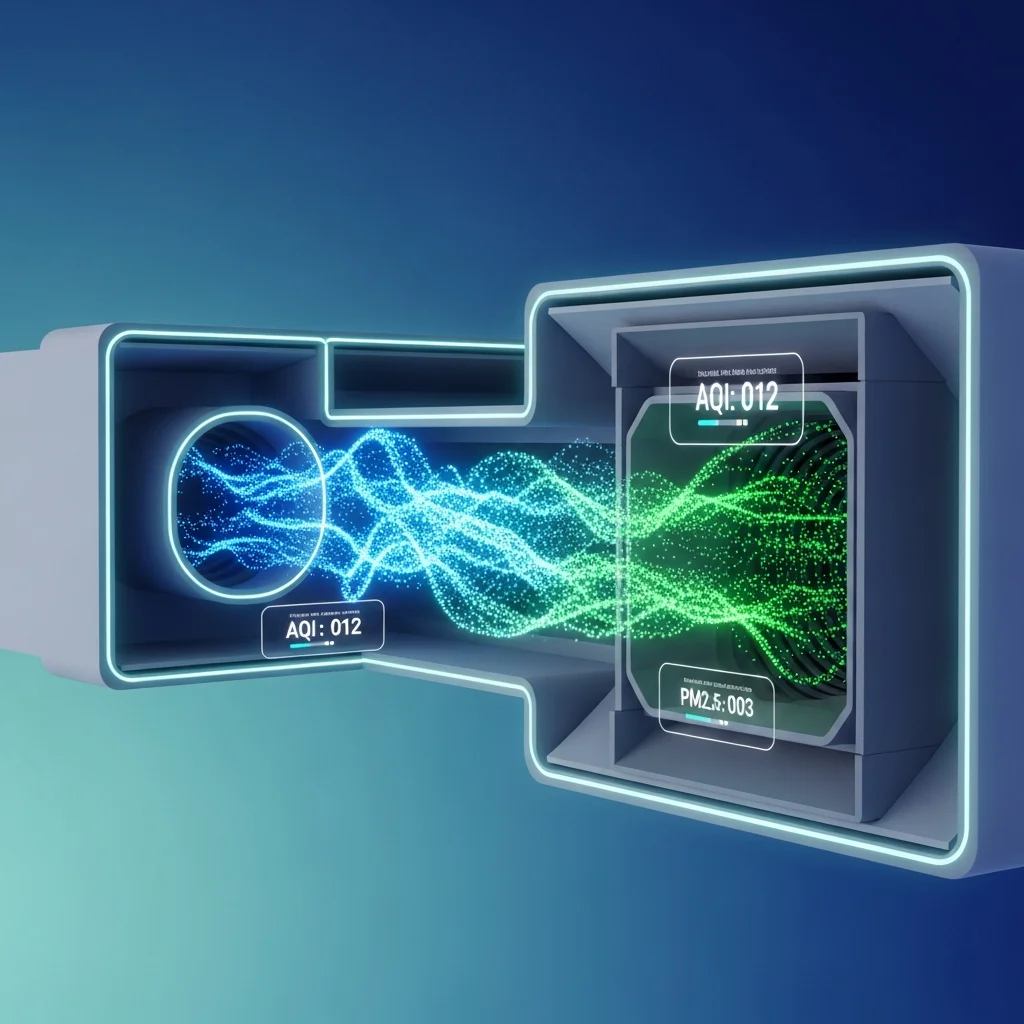
These systems operate on a simple principle: extract moisture-laden air from high-humidity areas (kitchens, bathrooms, utility rooms) and supply fresh, filtered air to living spaces and bedrooms. This creates a continuous airflow that prevents moisture accumulation while maintaining indoor air quality.
Types of Mechanical Ventilation Systems
#### 1. Extract-Only Systems
These systems use fans to extract stale, moist air from wet rooms while relying on background ventilation (trickle vents) for fresh air intake. While effective, they can create negative pressure that draws in cold air through unintended gaps.
#### 2. Mechanical Ventilation with Heat Recovery (MVHR)
MVHR systems represent the gold standard in ventilation technology. They extract stale air while simultaneously supplying fresh air, with a heat exchanger transferring warmth from the outgoing air to the incoming air. This approach offers:
- Energy efficiency: Up to 90% heat recovery
- Improved comfort: Consistent temperatures throughout the property
- Superior air quality: Filtration of incoming air
- Reduced condensation: Continuous moisture removal
Benefits of Continuous Mechanical Ventilation
Implementing proper mechanical ventilation delivers comprehensive advantages for both property and occupants.
Property Protection
- Prevents structural damage from damp and rot
- Protects decorative finishes and building materials
- Reduces maintenance costs associated with damp remediation
- Preserves property value by maintaining building integrity
Health and Comfort Improvements
- Eliminates mould growth and associated health risks
- Reduces allergens and airborne contaminants
- Maintains optimal humidity levels (40-60% relative humidity)
- Provides fresh, filtered air free from pollutants
Energy Efficiency
- Reduces heating costs through heat recovery technology
- Minimises heat loss compared to traditional ventilation
- Complements modern insulation strategies
- Supports overall building performance targets
CRG Direct's Solutions for Problem Properties
At CRG Direct, we specialise in diagnosing and resolving damp and condensation issues in all types of properties. Our comprehensive approach ensures long-term solutions rather than temporary fixes.
Professional Assessment and Diagnosis
Our process begins with a thorough property assessment, including:
- Moisture mapping to identify problem areas
- Air quality testing to measure humidity levels and contaminants
- Building fabric inspection to locate cold bridges and insulation issues
- Occupancy pattern analysis to understand moisture generation
Tailored Ventilation Solutions
We design and install ventilation systems specifically matched to your property's needs:
- MVHR systems for new builds and major renovations
- Continuous mechanical extract ventilation for existing properties
- Localised extract systems for specific problem areas
- Hybrid solutions combining different technologies
Installation and Commissioning
Our certified technicians ensure:
- Professional installation following manufacturer guidelines
- Optimal system positioning for maximum effectiveness
- Thorough commissioning and performance testing
- Comprehensive handover with operating instructions
Ongoing Support and Maintenance
We provide:
- Regular servicing to maintain system performance
- Filter replacement services
- Performance monitoring and optimisation
- 24/7 emergency support for critical issues
Case Study: Transforming a Problem Property
One of our recent projects involved a 1980s semi-detached house suffering from severe condensation and mould growth. The homeowners had tried various solutions, dehumidifiers, increased heating, improved insulation, but the problems persisted.
The Challenge
- Persistent black mould in bedrooms and bathrooms
- Condensation on windows throughout winter months
- Musty odours and poor indoor air quality
- Worsening asthma in one of the children
Our Solution
We installed a whole-house MVHR system with:
- Centralised unit in the loft space
- Ductwork to all wet rooms and living spaces
- Heat recovery efficiency of 92%
- Pollen and particulate filtration
The Results
Within weeks of installation:
- Mould completely eliminated
- Condensation problems resolved
- Indoor air quality significantly improved
- Heating costs reduced by 15%
- Family health concerns alleviated
Future-Proofing Your Property
Investing in mechanical ventilation isn't just about solving current problems. It's about future-proofing your property against emerging challenges.
Climate Change Considerations
As weather patterns become more unpredictable, properties need robust systems to handle:
- Increased rainfall and humidity levels
- More extreme temperature variations
- Changing occupancy patterns with more time spent indoors
Regulatory Compliance
Building regulations continue to evolve, with increasing emphasis on:
- Indoor air quality standards
- Energy performance requirements
- Health and wellbeing considerations
Property Value Enhancement
Properties with modern ventilation systems demonstrate:
- Better energy performance certificates
- Reduced risk of damp-related issues
- Enhanced appeal to health-conscious buyers
- Long-term maintenance savings
Taking the Next Step
If you're experiencing damp, condensation, or mould problems in your property, don't wait until the situation worsens. Early intervention prevents more extensive damage and protects your health.
At CRG Direct, we combine technical expertise with practical solutions to deliver ventilation systems that work effectively for your specific property and lifestyle. Our team will guide you through the entire process, from initial assessment to installation and ongoing maintenance.
Ready to breathe easier in your home or commercial property? Contact CRG Direct today for a comprehensive property assessment and discover how mechanical ventilation can transform your indoor environment.
CRG Direct: Your partners in creating healthy, comfortable, and energy-efficient indoor environments through innovative ventilation solutions.