
Tethered vs Untethered EV Charger: Which Should You Choose?
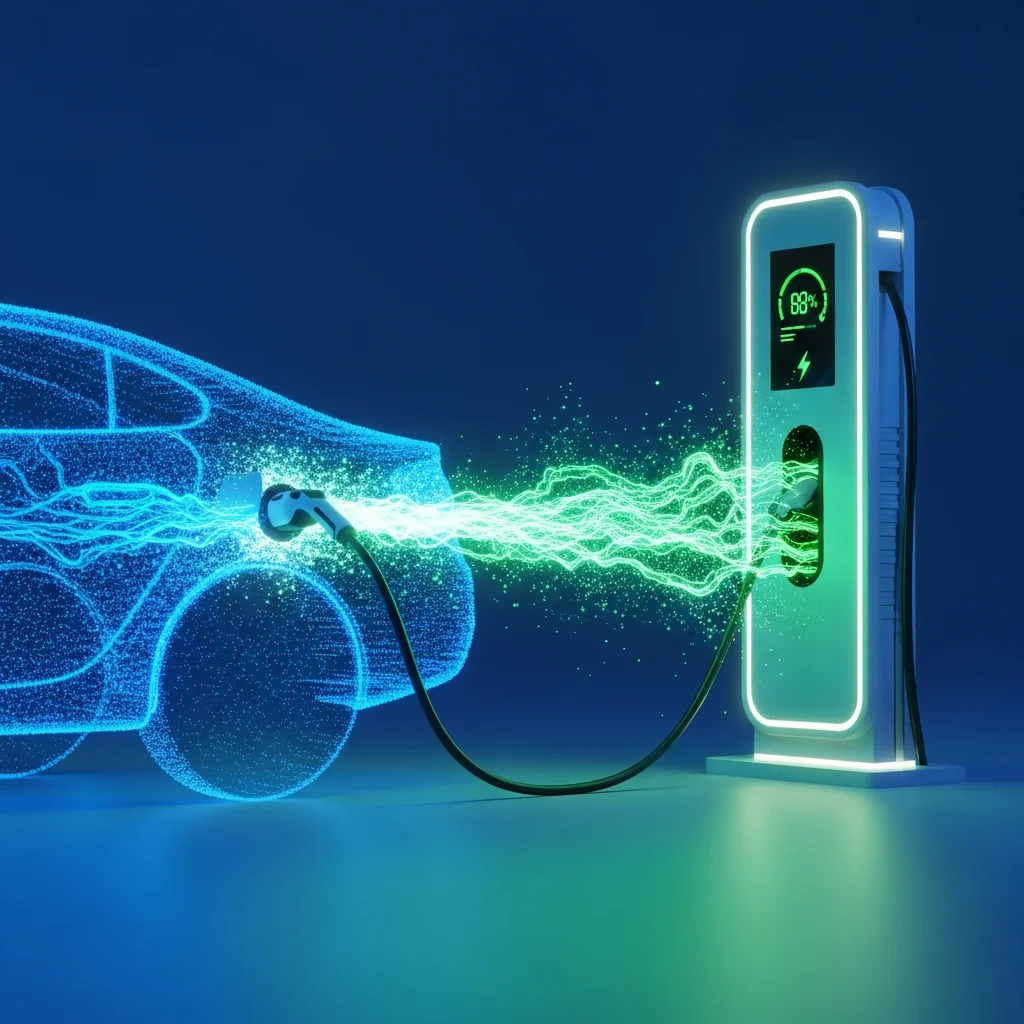
The practical difference is straightforward. A tethered charger has a cable permanently attached to the unit - you plug one end into the car, done. An untethered charger has a socket and no cable; you supply your own Type 2 cable and connect it each time.
For most single-EV households, tethered wins on convenience. For households with multiple vehicles, rental properties, or anyone who might change car in the next few years, untethered is worth the extra thought.
The Daily Experience
A tethered charger removes one step from every charging session. You arrive home, grab the cable from the hook, plug into the car. In winter or rain, that matters more than it sounds.
An untethered charger requires you to fetch the cable from wherever you store it, connect it to the wall socket, then connect to the car, and disconnect from both ends when you're done. If the cable lives in the boot, you're making two trips in the dark.
Neither is particularly burdensome, but over five years of daily charging, tethered is meaningfully less friction.
Cable Wear and Replacement
Tethered cables take more punishment than untethered ones. They live outdoors permanently, coiled and uncoiled in all weathers, exposed to UV, rain, frost, and repeated bending stress. A good tethered cable lasts 5-10 years before showing wear - and when it goes, you're either paying a professional to replace the cable (if the unit supports it) or replacing the whole charger.
Untethered cables are easier to replace and cheaper. A quality 7kW Type 2 cable costs £40-£80, and you can store it inside when it's not in use, which significantly extends its life. You can also own multiple cables - a shorter one for home, a longer one for awkward parking situations.
Compatibility
In the UK, Type 2 is the standard AC connector for home charging across virtually all new EVs. If you currently have a Type 2 vehicle and don't anticipate changing to anything unusual, connector compatibility isn't a meaningful consideration either way.
Where it becomes relevant:
- Multiple EVs with different connectors. Unlikely in 2026, but if one vehicle uses Type 1 (some older imports), an untethered charger lets you use different cables for each.
- Rental properties or shared chargers. An untethered socket means each user brings their own cable - cleaner logistically and avoids questions about who's responsible for the cable condition.
- Workplace charging. Untethered is almost always the right call for shared or public-access charge points.
For the average homeowner with one EV, connector flexibility makes no practical difference.
Future-Proofing
Tethered chargers commit you to a connector type and cable length at point of installation. That's fine if you're staying with the same vehicle for five or more years. If you're replacing your EV in 18 months or switching between makes regularly, an untethered unit gives you more flexibility - though in practice, the UK market has settled firmly on Type 2 and CCS, and that's unlikely to change.
Cable length is the more practical future-proofing question. Tethered cables come in 5m or 8m variants. Get this wrong and you may find you can't reach the car's charge port depending on how you park. An untethered setup lets you swap to a longer cable later without touching the charger.
Smart Charger Requirements
Since June 2022, all home EV chargers sold in the UK must be smart - able to delay charging, communicate with the grid, and respond to signals. This applies to both tethered and untethered units. Any charger bought and installed through a reputable installer will meet this requirement.
Smart chargers let you schedule charging for overnight off-peak rates, integrate with time-of-use tariffs like Intelligent Octopus Go (currently around 7-8p/kWh overnight), and in the case of solar-aware chargers like the myenergi zappi, divert surplus solar generation directly to the car.
The zappi is available in both tethered and untethered versions. If you have or plan to add solar panels, it's worth considering regardless of which cable configuration you choose.
Comparison at a Glance
| Tethered | Untethered | |
|---|---|---|
| Convenience | High - cable always ready | Lower - cable stored separately |
| Cable replacement | Professional job | DIY, £40-£80 |
| Multi-vehicle households | Limited | Flexible |
| Rental/shared use | Less practical | Better suited |
| Cable future-proofing | Fixed length and type | Swap as needed |
| Typical installed cost | £700-£900 | £650-£850 |
FAQ
Do I need to buy a cable separately with an untethered charger? Yes. Most new EVs include a Mode 2 cable (a slower granny charger for 3-pin sockets) but not a Mode 3 Type 2 cable for home wall boxes. Budget £40-£80 for a quality 7kW cable.
What cable length should I choose for a tethered charger? 8m is the safer choice for most driveways. Measure from the charger location to where the car's charge port will be when parked, and add a metre of slack. If that's under 5m, the 5m cable is fine and tidier to store.
Can I switch from tethered to untethered later? Not without replacing the charger. The cable type is determined at manufacture. Get it right first time.
Does it matter for the OZEV grant? The OZEV grant (£350 toward a home charger) ended for most homeowners in 2024. It still applies to renters, flat owners, and some commercial premises. Neither tethered nor untethered is preferred under the scheme.
Is one type more reliable than the other? The charger unit itself is the same regardless of cable configuration - the electronics, smart features, and IP rating are identical across tethered and untethered versions of the same model. Reliability differences come from installation quality and cable care, not the cable configuration.
CRG Direct installs EV chargers across Hampshire alongside solar and battery storage. MCS Certified, HIES Accredited.
Contact us for a free consultation. We'll respond within one working day.