
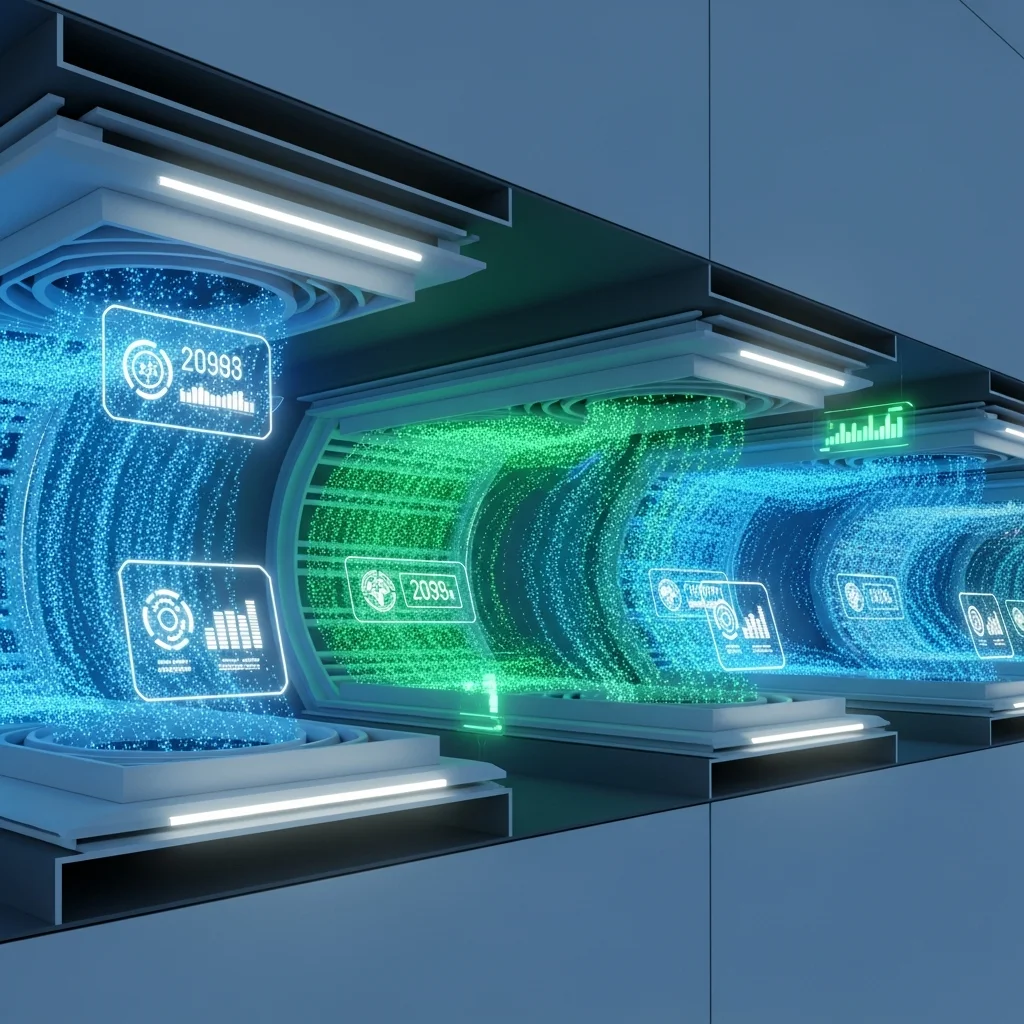
In an era where energy efficiency and indoor air quality are paramount, Mechanical Ventilation with Heat Recovery (MVHR) has emerged as a game-changing technology for modern, sustainable homes. This sophisticated system provides continuous fresh air while dramatically reducing heating costs, making it an essential component of high-performance buildings like Passivhaus-standard homes.
Understanding MVHR Technology
MVHR is a whole-house ventilation system that continuously extracts stale, moist air from wet rooms (kitchens, bathrooms, and utility areas) while supplying fresh, filtered air to living spaces and bedrooms. The revolutionary aspect lies in the heat exchanger unit, which transfers heat from the outgoing stale air to the incoming fresh air without mixing the two air streams.
Unlike traditional ventilation methods that simply open windows or use extractor fans, MVHR systems maintain comfortable indoor temperatures while ensuring optimal air quality. This makes them particularly valuable in modern, airtight buildings where natural ventilation can lead to significant heat loss and energy waste.
The Science Behind Heat Exchangers
At the heart of every MVHR system lies the heat exchanger, a sophisticated component that enables the transfer of thermal energy between air streams. Modern heat exchangers typically achieve efficiency ratings of 85-95%, meaning the vast majority of heat that would normally be lost through ventilation is recovered and reused.
How Heat Recovery Works
- Extraction Phase: Stale, warm air is extracted from kitchens, bathrooms, and utility rooms
- Heat Transfer: The warm extracted air passes through one side of the heat exchanger
- Fresh Air Intake: Cold fresh air from outside is drawn in through a separate intake
- Energy Exchange: Heat from the stale air transfers to the cold incoming air through conduction
- Distribution: Pre-warmed fresh air is distributed to living areas and bedrooms
- Exhaust: Cooled stale air is expelled outside
The two air streams never mix, ensuring that pollutants, odours, and moisture from the extracted air don't contaminate the fresh supply. This separation is maintained through carefully engineered plate or cross-flow heat exchanger designs.
Energy Efficiency Benefits
MVHR systems deliver substantial energy savings that make them a compelling investment for environmentally conscious homeowners:
Reduced Heating Costs
By recovering up to 95% of heat that would otherwise be lost through ventilation, MVHR systems can reduce heating bills by 20-30% in well-insulated homes. In Passivhaus-standard buildings, the savings can be even more dramatic.Lower Carbon Footprint
With reduced energy consumption for heating comes a corresponding decrease in carbon emissions. For an average UK home, installing an MVHR system can save approximately 1-2 tonnes of CO₂ annually compared to conventional ventilation methods.Consistent Comfort
MVHR systems eliminate cold draughts associated with opening windows while maintaining optimal humidity levels (40-60%). This creates a more comfortable living environment year-round.Improved Air Quality
Advanced filtration systems remove pollen, pollutants, and particulate matter from incoming air, making MVHR particularly beneficial for allergy sufferers and those with respiratory conditions.Installation Requirements and Considerations
Successful MVHR installation requires careful planning and professional expertise:
Building Suitability
MVHR systems work best in well-insulated, airtight buildings. The system's effectiveness depends on the building's air permeability, typically requiring an air tightness of 5 m³/(h.m²) @50Pa or better.Ductwork Design
Proper ductwork layout is crucial for balanced airflow. The system requires:- Supply ducts to living areas and bedrooms
- Extract ducts from wet rooms
- Carefully calculated duct sizes to minimise resistance
- Strategic placement to avoid noise transmission
Unit Location
MVHR units are typically installed in lofts, plant rooms, or utility areas where they're accessible for maintenance but won't cause noise disturbance.Professional Installation
Given the complexity of balancing airflow and ensuring optimal performance, MVHR installation should always be carried out by certified professionals with experience in mechanical ventilation systems.Running Costs and Maintenance
Energy Consumption
Modern MVHR units are remarkably efficient, typically consuming between 15-45 watts during normal operation, comparable to a single energy-saving light bulb. Advanced DC motors and smart controls further optimise energy use based on occupancy and air quality.Maintenance Requirements
Regular maintenance ensures optimal performance and longevity:- Filters: Replace every 6-12 months depending on air quality (£20-£40 per set)
- Heat Exchanger: Annual inspection and cleaning if necessary
- Ducts: Professional cleaning every 3-5 years
- Fans: Check bearings and performance annually
Total annual running costs typically range from £50-£100 for electricity and filter replacements, making MVHR one of the most cost-effective energy efficiency measures available.
CRG Direct's MVHR Expertise for Passivhaus Homes
At CRG Direct, we specialise in designing and installing MVHR systems for Passivhaus-standard and high-performance homes. Our expertise encompasses:
Comprehensive System Design
We conduct detailed heat loss calculations and airflow analysis to ensure your MVHR system is perfectly matched to your building's requirements. Our designs consider:- Room-by-room airflow requirements
- Optimal duct routing
- Noise control measures
- Future maintenance access
Quality Components
We work with leading MVHR manufacturers including:- Zehnder: Renowned for high-efficiency units
- Vent-Axia: British engineering excellence
- Paul: German precision engineering
- Genvex: Advanced heat recovery technology
Professional Installation
Our certified installation teams ensure:- Minimal disruption during installation
- Precise airflow balancing
- Comprehensive commissioning and testing
- Detailed handover and user training
Ongoing Support
We provide:- Annual maintenance contracts
- 24/7 emergency support
- Performance monitoring
- Filter replacement services
The Future of Home Ventilation
As building regulations tighten and energy costs continue to rise, MVHR technology represents the future of residential ventilation. The combination of superior indoor air quality, significant energy savings, and reduced environmental impact makes MVHR an essential component of sustainable building design.
For homeowners considering renovation or new build projects, investing in MVHR delivers both immediate comfort benefits and long-term savings through reduced energy bills. In Passivhaus-standard homes, MVHR isn't just an optional extra, it's a fundamental system that enables the ultra-low energy performance these buildings are famous for.
Ready to Transform Your Home's Ventilation?
Whether you're planning a new build, major renovation, or simply want to improve your existing home's air quality and energy efficiency, our team at CRG Direct is here to help. We offer free initial consultations to assess your requirements and provide tailored MVHR solutions.
Contact us today to discover how MVHR technology can revolutionise your home's comfort, air quality, and energy performance.