
If you're in the UK staring at grey skies, you're probably wondering: do solar panels work in cloudy weather?
For how output changes through the year, see solar panel output by month. To get an instant price for your home, use our solar panel cost calculator.
Short answer: yes, they do. They won't hit peak output like they do in bright sunshine, but modern solar technology is designed to keep generating electricity even in cloudy conditions.
Let's break it down properly.
How Do Solar Panels Work Without Direct Sunlight?
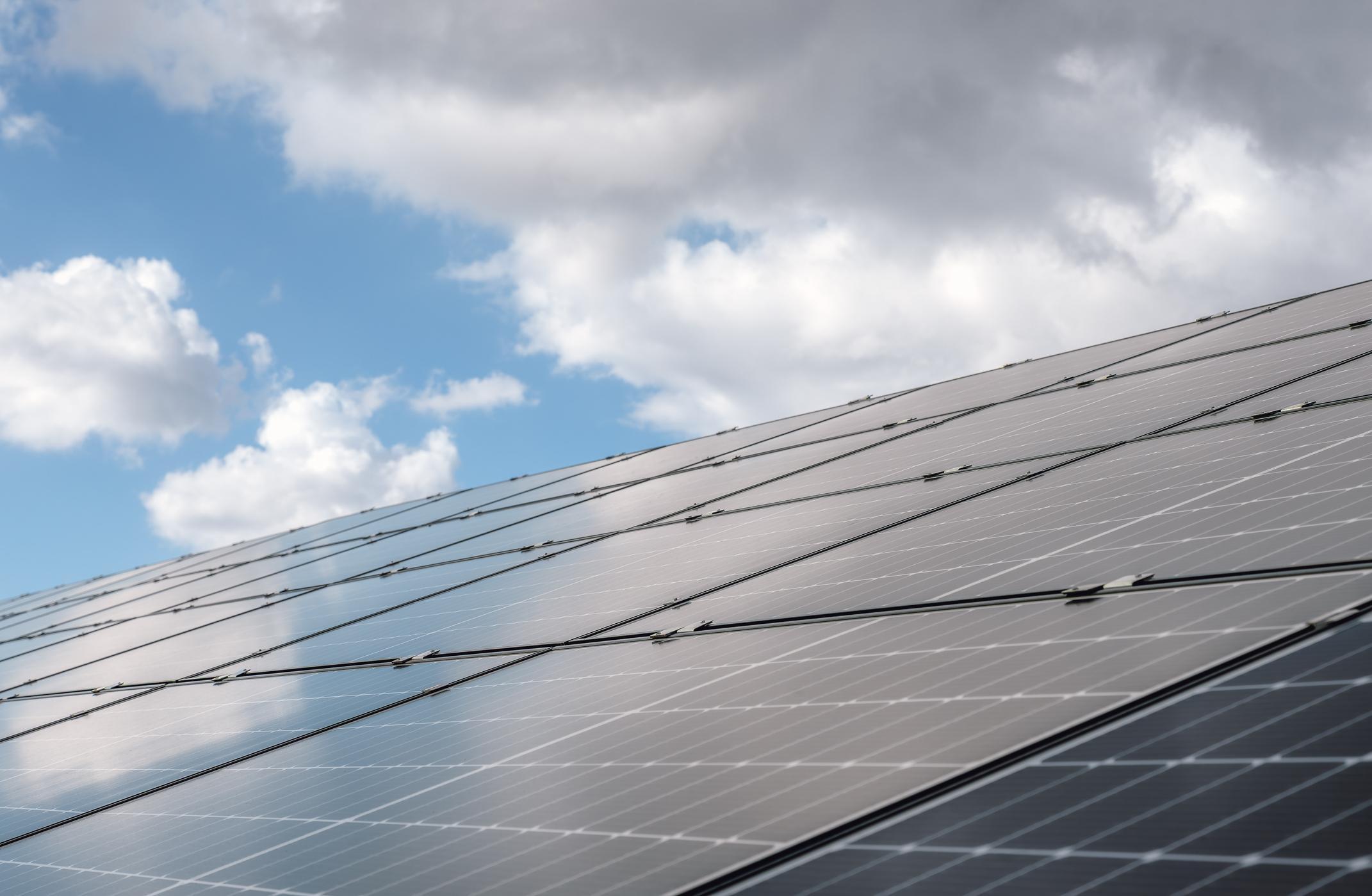
Many people think solar panels need blazing sunshine. They don't.
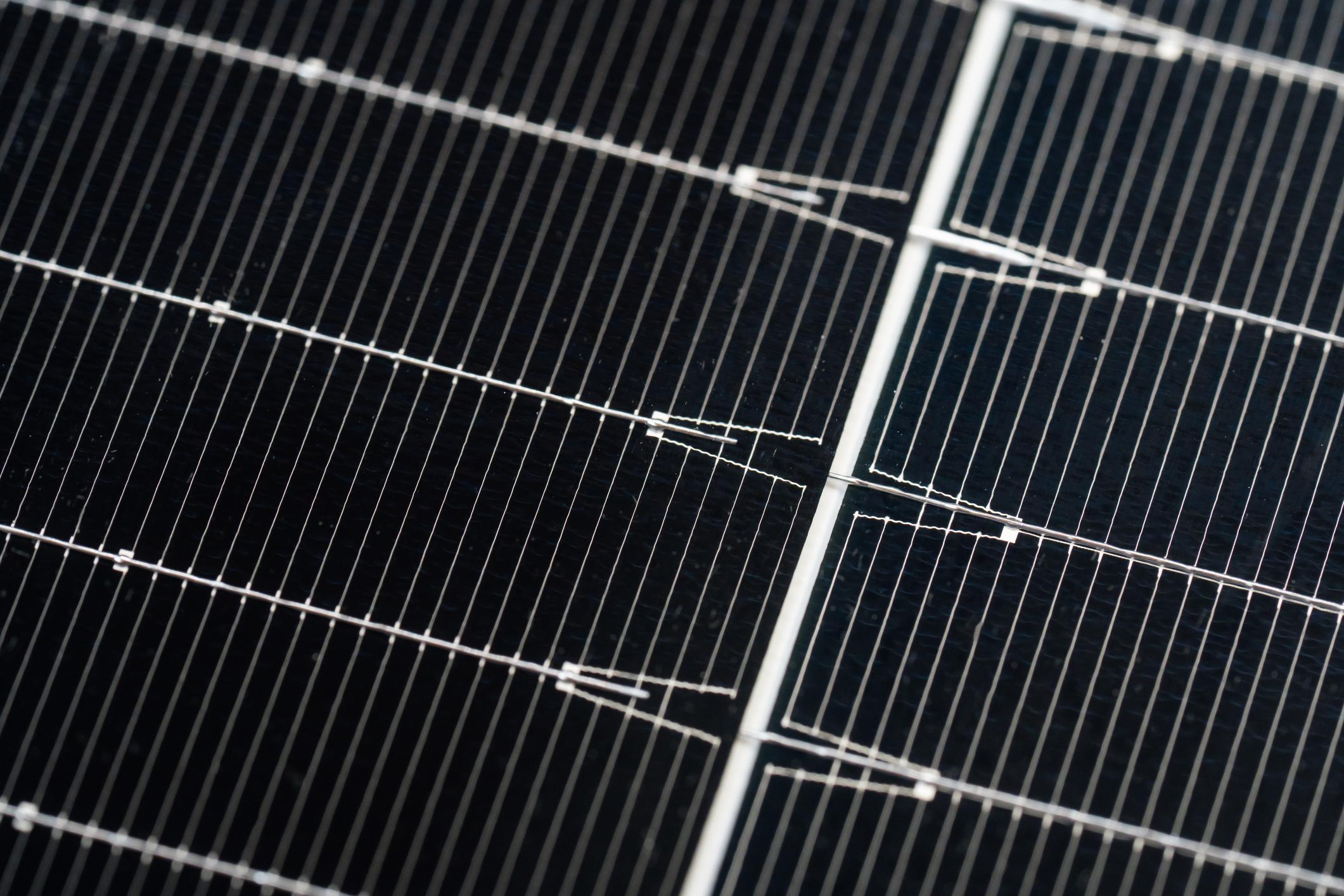
Solar photovoltaic (PV) panels rely on light, not heat. Even when there's cloud cover, daylight still reaches your roof. The solar cells inside each panel absorb that light and convert it into electricity.
That's why panels work on cloudy days. Even a thin layer of cloud still allows light through.
How Much Energy Do Solar Panels Generate in Cloudy Weather?
In the UK, a typical solar panel system will produce between 10-60% of normal output during heavy cloud cover.
Performance depends on:
- Thickness of the cloud cover
- Time of day
- Season and shorter daylight hours
- Roof angle and proper installation
- Type and efficiency of the panels
During light cloud cover or bright overcast days, solar panels continue to generate a good amount of power. In fact, cooler temperatures can improve solar panel efficiency, as panels tend to perform better when they aren't overheating.
Do Solar Panels Work on Rainy Days?
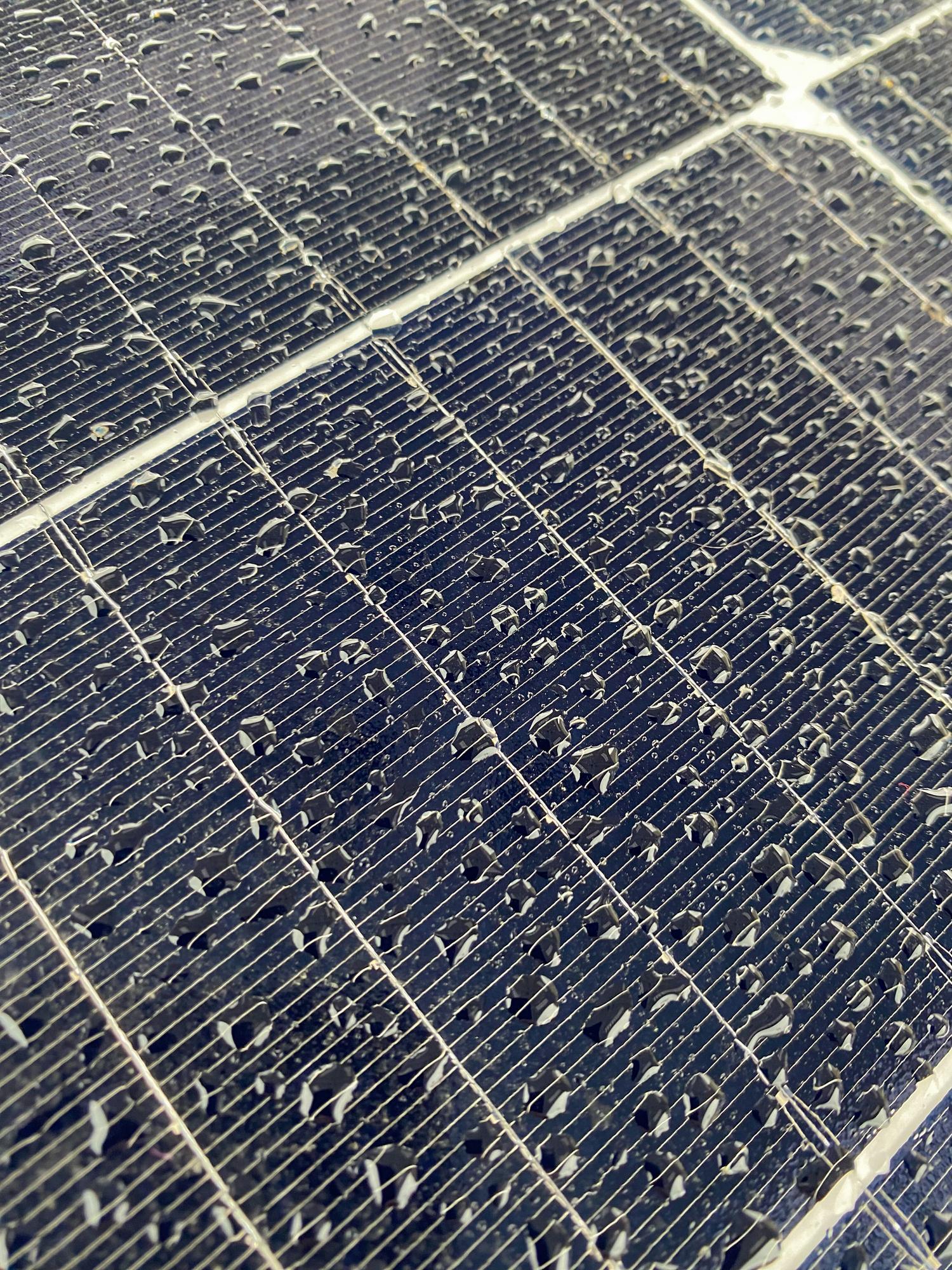
Yes, solar panels work in cloudy and rainy conditions.
Rain actually helps by washing away dust and debris, which can improve solar panel performance over time.
Even in low light conditions, panels still generate power. They just won't produce as much as during peak sunny hours.
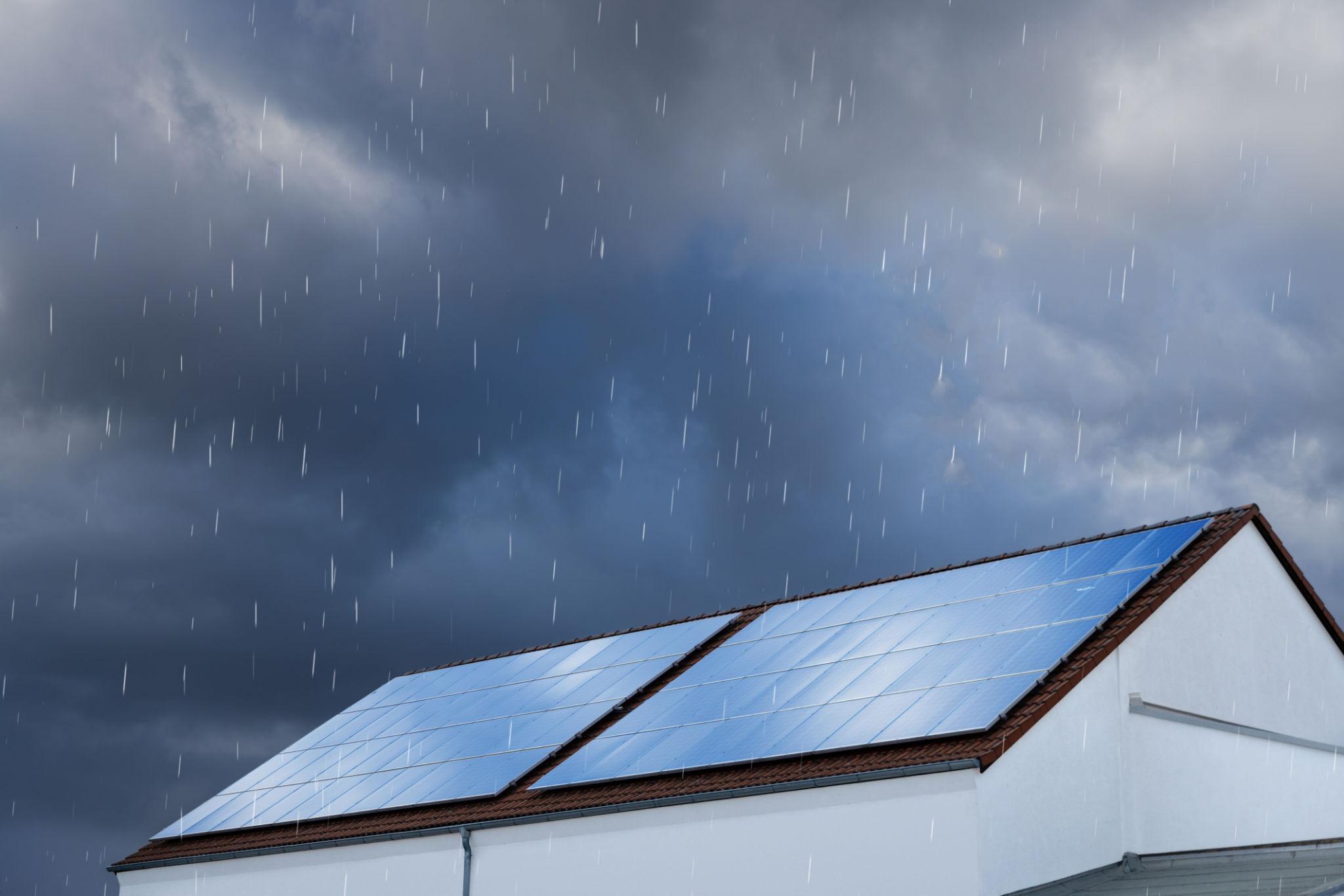
Can Solar Panels Power UK Homes Year Round?
Absolutely. UK homes rely on solar power generation throughout the year.
In summer:
- Longer daylight hours
- More direct sunlight
- Higher solar panel output
- Often excess energy generated
In winter:
- Shorter daylight hours
- More cloud cover
- Reduced output
- Still producing energy
Even on cloudy days, your solar system contributes to your energy needs, helping reduce electricity bills.
What Happens to Excess Energy Generated?
On bright days, your system may produce more energy than you use. That excess energy has two options:
1. Export to the Grid
Under the UK's Smart Export Guarantee, homeowners can receive credits for electricity exported to the National Grid.
This helps reduce your overall energy bills.
2. Store It in Solar Batteries
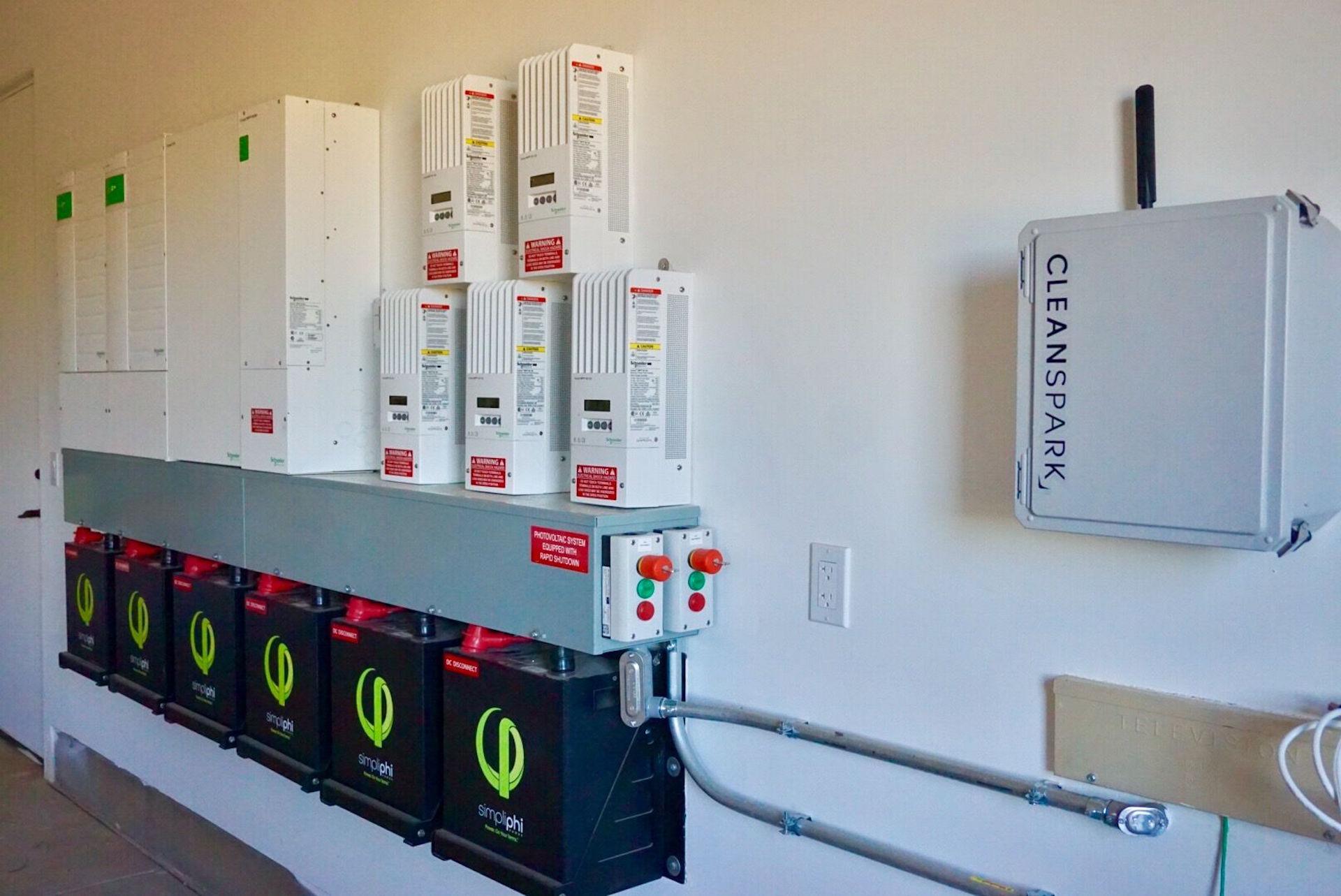
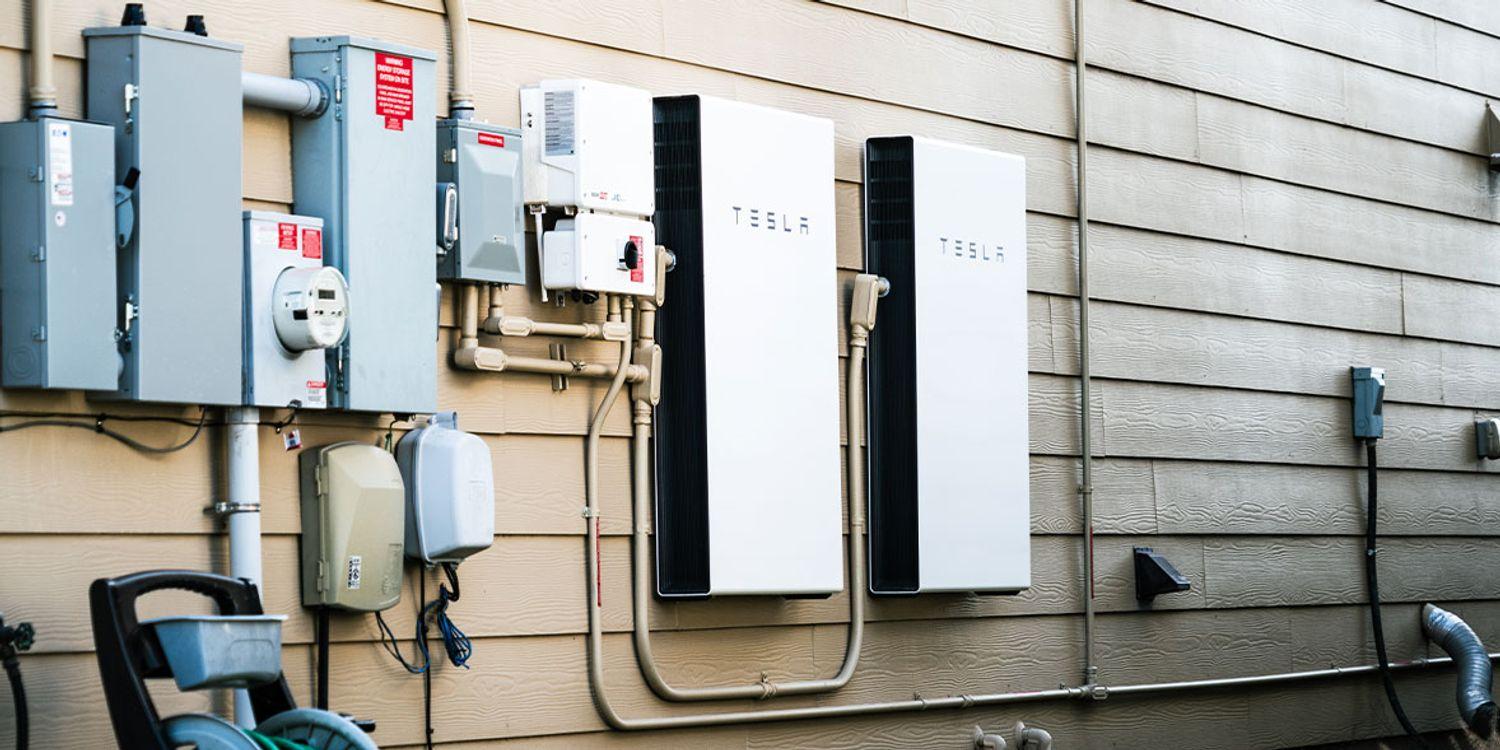
With solar battery storage, you can store excess power for later use.
This stored energy can be used:
- At night
- During heavy cloud cover
- In peak tariff hours
- When solar panel output is lower
Battery storage increases independence from the grid and helps maximise efficiency.
Do Solar Panels Need Clear Skies to Be Efficient?
Clear skies help, but they are not essential.
Modern solar panels are built to perform in cloudy conditions. Countries like Germany generate significant solar energy despite frequent overcast days.
Panels rely on daylight, not heat. That's why even in cloudy weather, they still produce energy.
High temperatures can actually reduce efficiency, so mild UK weather can be beneficial for overall solar panel performance.
How Can You Maximise Solar Panel Efficiency in Cloudy Conditions?
To ensure panels work efficiently:
- Choose high-efficiency solar technology
- Ensure proper installation and correct roof angle
- Consider solar battery storage
- Keep panels clean
- Size your system properly for your energy needs
A well-designed system helps generate more power even in less-than-perfect weather.
Watch: Solar Panels Working in Cloudy UK Weather
See for yourself how solar panels perform on a typical cloudy day in the UK:
Are Solar Panels Still Worth It in the UK?
Yes. Even with cloudy weather, solar panels generate clean, renewable energy year round.
They help:
- Reduce electricity bills
- Lower reliance on the grid
- Cut carbon emissions
- Increase property value
- Provide more energy security
The key is choosing the right system and installer to get the best deal.
Final Answer: Do Solar Panels Work in Cloudy Weather?
Yes, solar panels work in cloudy weather.
They generate electricity in direct sunlight, light cloud cover, overcast days, and even rainy conditions. Output is lower during heavy cloud cover, but panels continue to produce energy and contribute to your home's power supply.
With the addition of solar battery storage and smart export options, UK homeowners can make solar power work efficiently in all seasons.
If you're considering installing solar panels and want to understand how much energy your property could generate, explore your options at www.crgdirect.co.uk and find the system that suits your home.